
In the era of 10-minute YouTube tutorials and StackOverflow copy-pasting, deep technical reading is a lost art. But if you want to move from “making an LED blink” to “designing a high-speed DMA controller,” you need depth that videos cannot provide.
I have read dozens of FPGA books over my career. Most are dry academic textbooks filled with transistor diagrams you’ll never use. However, a few are pure gold. Here are the 5 books that sit on my desk—not on my shelf.
1. For the Absolute Beginner: “Digital Design and Computer Architecture”
Authors: David Harris & Sarah Harris
Focus: Logic Gates to Processor Design
You cannot call yourself a digital designer until you understand how a processor fetches and executes an instruction. This book is a masterpiece that takes you from logic gates all the way to building a fully functional MIPS or RISC-V processor.
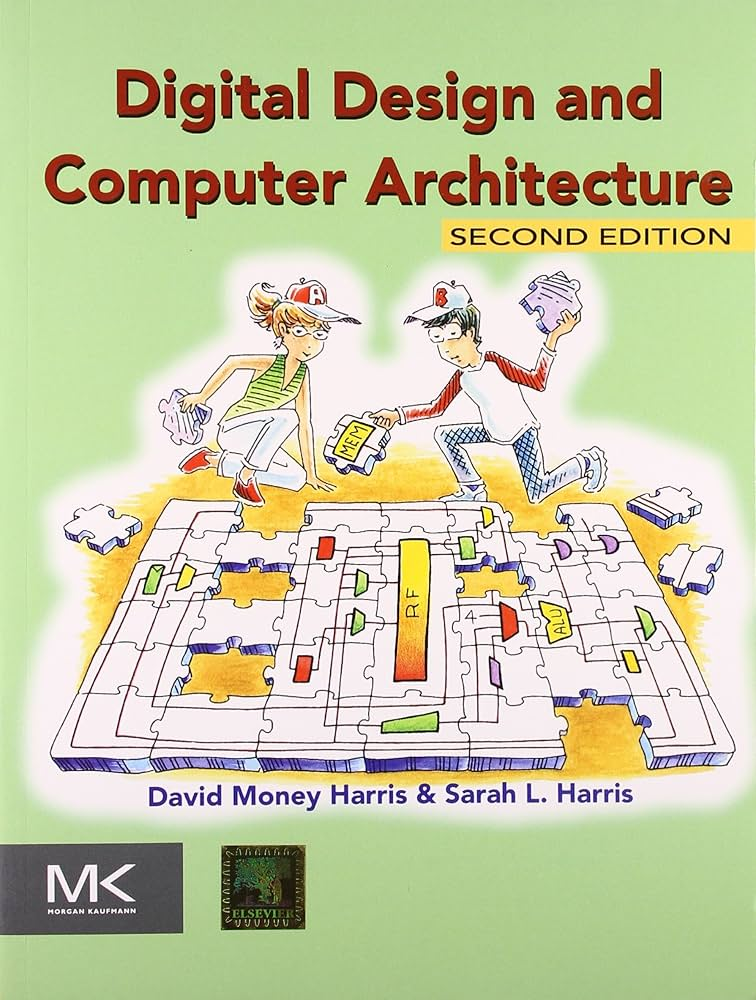
It seamlessly blends the theory of computer architecture with the practical implementation. It answers the fundamental question: “How does software actually run on my hardware?”
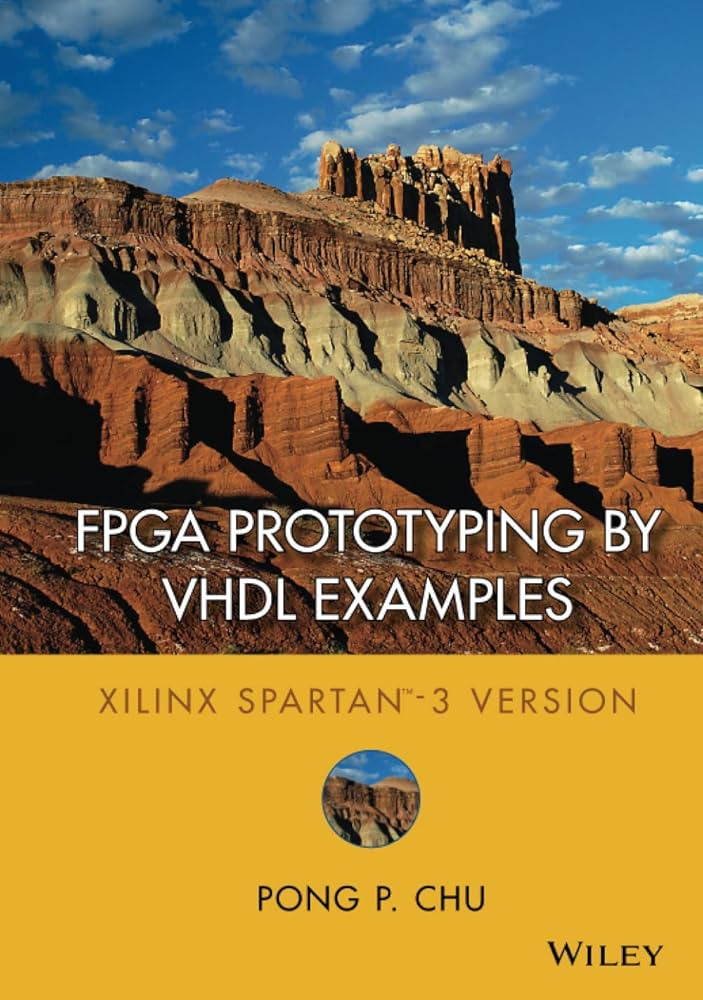
2. For Hands-On Learning: “FPGA Prototyping by VHDL/Verilog Examples”
Author: Pong P. Chu
Focus: System Integration & SoC
If you only buy one book, make it this one. Pong P. Chu doesn’t just teach syntax; he teaches system integration. He walks you through building a complete SoC (System on Chip) step-by-step, including video controllers, UART drivers, and memory interfaces.
3. The Bible of VHDL: “The Designer’s Guide to VHDL”
Author: Peter J. Ashenden
Focus: Advanced VHDL Reference
If you work in Defense, Aerospace, or Avionics, you don’t just “use” VHDL; you live it. Ashenden’s book is not a tutorial; it is the comprehensive reference manual.
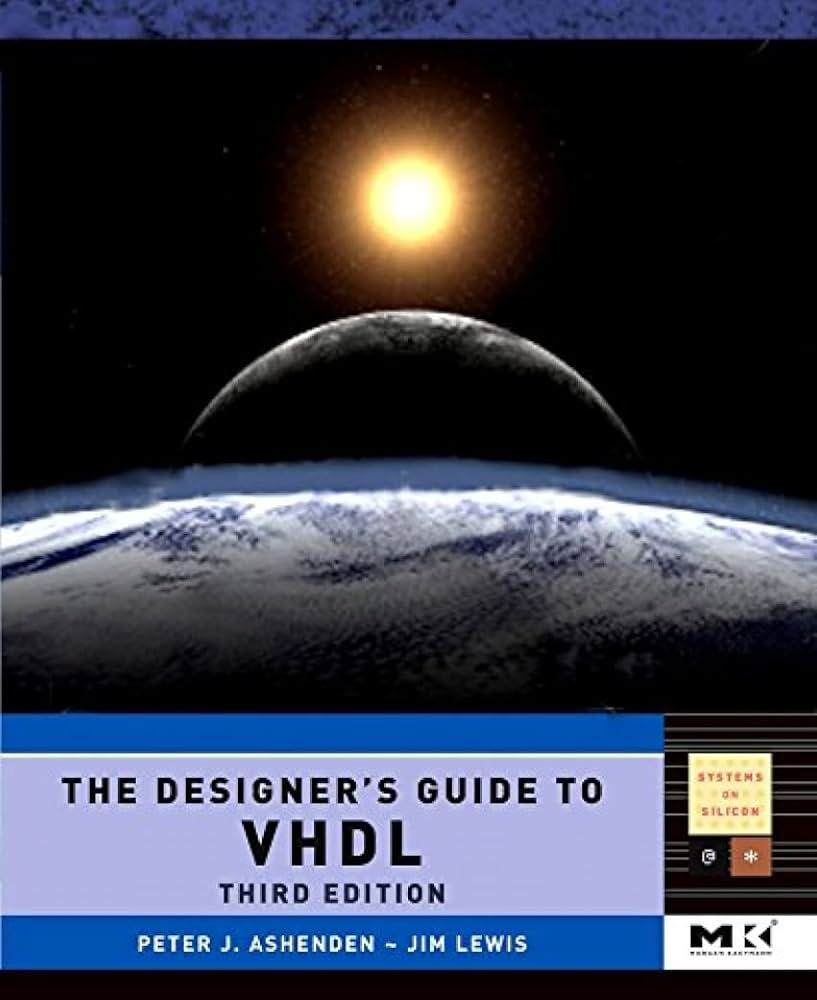
It covers every obscure corner of the language, from complex access types (pointers) to file I/O operations for advanced testbenches. If you want to be a VHDL expert, this is the book you read cover-to-cover.
4. The Standard for Verilog: “Verilog HDL”
Author: Samir Palnitkar
Focus: Language Fundamentals & Simulation
Before SystemVerilog took over the world, this was the industry standard text. Even today, it remains the best resource for understanding the raw mechanics of the Verilog language, specifically how the simulation event queue works.
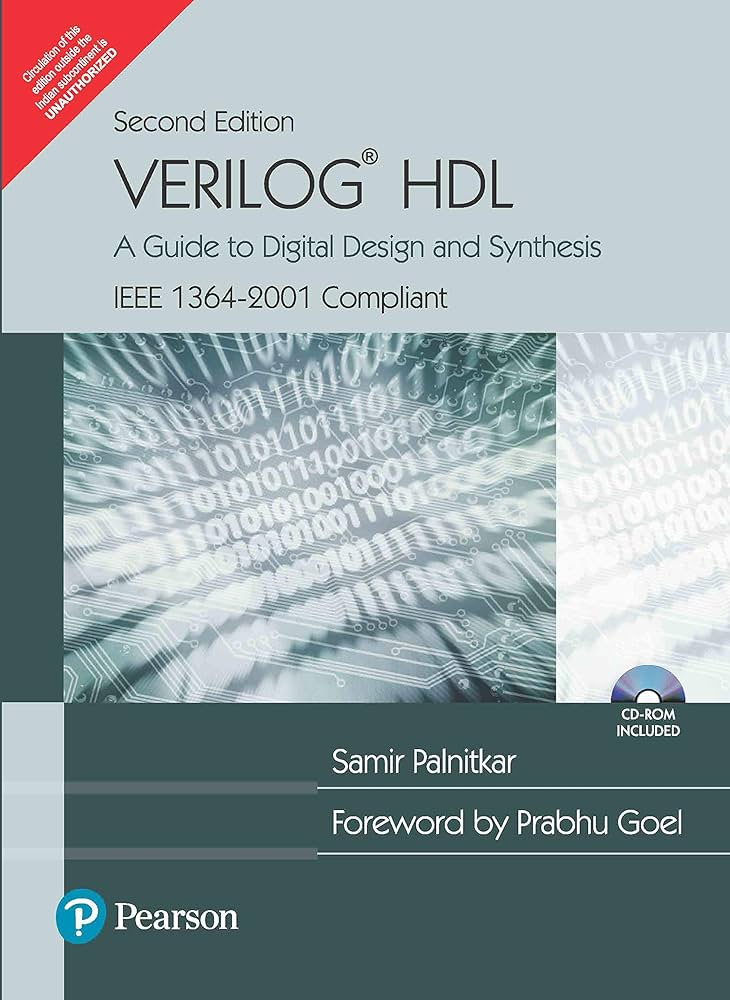
It is packed with examples ranging from switch-level modeling (transistors) to behavioral modeling. A must-read for understanding PLI (Programming Language Interface) and deep simulation semantics.
5. For the Advanced Engineer: “Advanced FPGA Design”
Author: Steve Kilts
Focus: Architecture, Timing & Optimization
This is the book that bridges the gap between “It works in simulation” and “It works in the real world.” Steve Kilts focuses on the things that actually kill projects: Clock Domain Crossing (CDC), Reset strategies, and Power optimization.
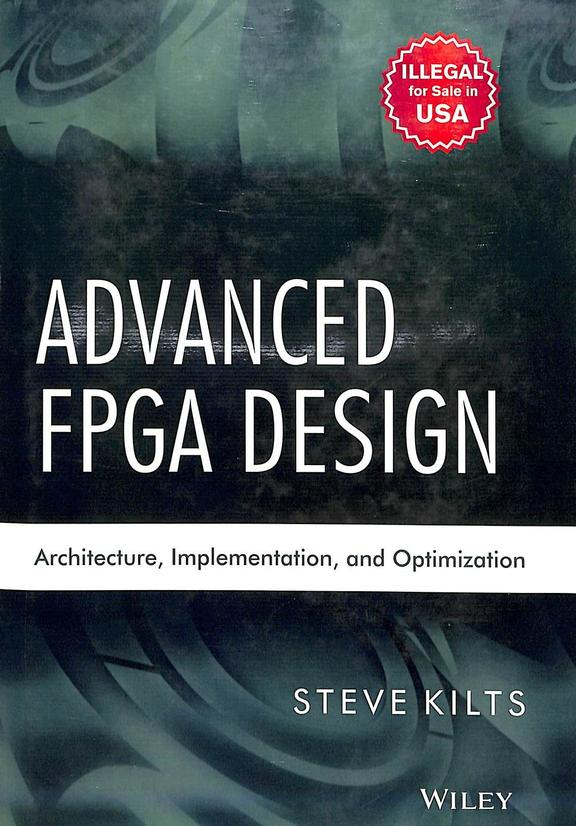
It doesn’t waste time on syntax. It assumes you know how to code and focuses entirely on Architecture and Reliability.
Final Thoughts
Don’t buy all of them at once. Start with Harris & Harris to understand the processor, move to Pong P. Chu to build systems, and then pick up Steve Kilts to learn how to make those systems professional and reliable.
Keep reading, keep coding.
fpgawizard.com